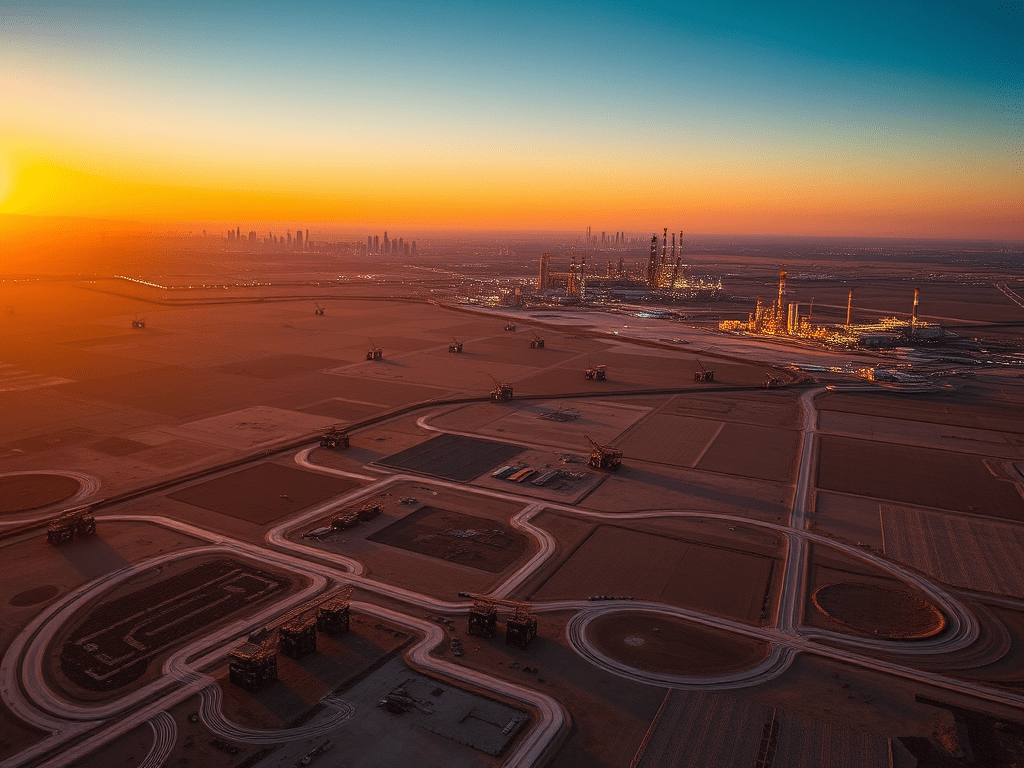
Algeria is one of those economies where time seems to move differently. Flush with hydrocarbons, it has long relied on oil and gas revenues to power everything — from jobs and subsidies to political calm. But behind the comfort of cheap fuel and generous welfare lies a fragile truth: Algeria’s economic engine runs on a single commodity. When oil prices swing, so does the country’s fiscal heartbeat.
As the world speeds toward a green transition and fluctuating energy markets, Algeria faces a crossroads — can a system built on hydrocarbons and handouts reinvent itself before the wells run dry?
Oil Wealth, Fiscal Fragility
Oil and gas make up nearly 95% of Algeria’s exports and more than 60% of government revenues. This has created a dangerous comfort — when energy prices soar, the budget looks healthy. When they fall, deficits balloon.
The 2014 oil price crash was a wake-up call. Foreign reserves, once at $200 billion, have since plunged to less than half that. But instead of structural reforms, the state doubled down on what it knows best — subsidies, public jobs, and protectionism.
This cyclical pattern — crisis, recovery, and complacency — has trapped Algeria in what economists call a resource curse. It’s not that the money isn’t there; it’s that it often flows into maintaining the status quo, not building what comes next.
A State Built on Subsidies
Subsidies are the glue holding Algeria’s social contract together. Cheap fuel, electricity, and food have helped the government maintain peace in a region often marked by instability. But this peace comes at a steep cost.
Algeria spends nearly 10% of its GDP on subsidies, benefitting everyone, rich and poor alike. While this keeps inflation low and citizens content, it also drains resources that could fund infrastructure, education, or entrepreneurship.
Attempts to trim these benefits — like removing fuel subsidies or raising electricity tariffs — have met fierce resistance. For many Algerians, subsidies are not perks; they’re lifelines in a system with few alternatives.
And that’s where the real challenge lies: reforming without unraveling. Algeria’s leaders know change is necessary, but any sudden shift risks sparking unrest. This tension has led to a cautious, step-by-step approach — one that often stalls before it starts.
A Youthful Nation, an Aging Model
Nearly 70% of Algerians are under 35, but the economic model they’ve inherited was built in another era — one where the state was the primary employer, and oil paid the bills.
Today, youth unemployment hovers around 30%, and the private sector remains underdeveloped. With limited access to credit, red tape, and heavy reliance on imports, startups and small businesses struggle to thrive.
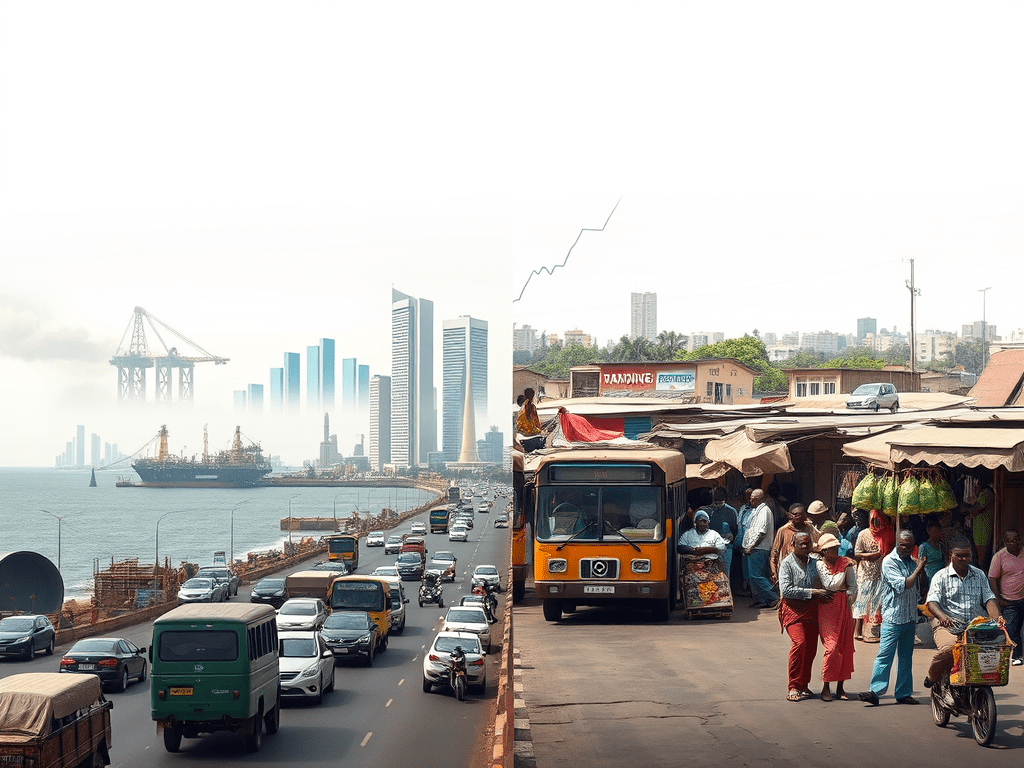
Contrast this with Morocco, which opened its economy to manufacturing and tourism, or Tunisia, which invested heavily in digital sectors. Algeria, in comparison, remains inward-looking — hesitant to loosen its grip even as global trends demand flexibility.
The Missed Opportunity in Energy Transition
Ironically, Algeria has the ingredients for a green revolution — vast sunlight for solar, abundant wind resources, and strategic proximity to Europe. Yet, renewable energy contributes less than 1% to its electricity mix.
While neighbors like Egypt and Morocco court foreign investors for solar megaprojects, Algeria’s heavy bureaucracy and state dominance have slowed progress. In a decarbonizing world, this delay could cost it dearly.
Imagine if Algeria channeled even a fraction of its oil income into building a clean energy hub — exporting solar power to Europe could be the next frontier, not just oil and gas.
Can the System Outgrow Itself?
Algeria’s economic story is one of resilience — but also resistance. The oil wells have kept the lights on for decades, yet they’ve also cast long shadows over reform, innovation, and diversification.
With a young population, growing fiscal pressure, and a changing global energy map, the question isn’t whether Algeria can afford to change — it’s whether it can afford not to.

 Financial Realtalks
Leave a comment