Albania’s Bold Flat Tax Experiment: A Double-Edged Sword
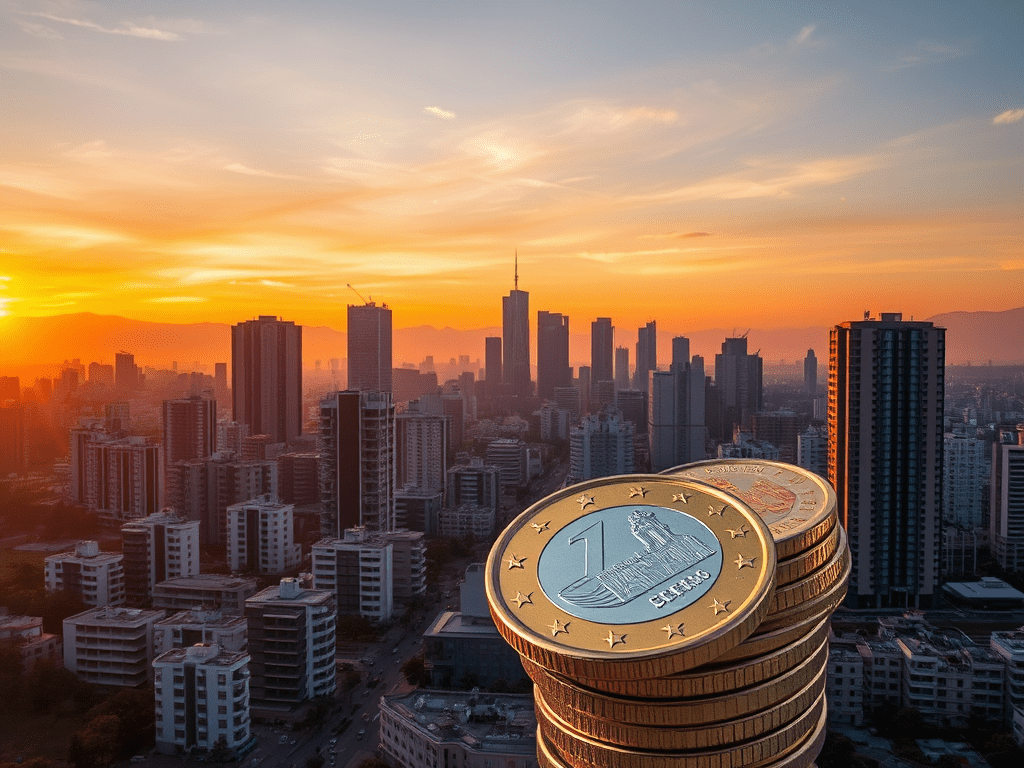
Albania doesn’t usually make global headlines in finance, but it should. Few countries have experimented as boldly with their economy. In the late 2000s, Albania went all in on a radical idea: a flat tax of just 10% for everyone, rich or poor, individuals or companies. At the same time, its people were quietly shifting to a different kind of bet—using the euro, not their own currency, the lek, to save, borrow, and trade.This created a strange reality: a country that wanted to simplify taxation and strengthen its economy but where the lifeblood of money often flowed in someone else’s currency.
The Flat Tax Revolution
Back in 2008, Albania became one of Europe’s boldest reformers. Prime Minister Sali Berisha’s government rolled out a flat tax of 10% on personal income, corporate profits, and several other categories. It was marketed as a leap forward: a simple, transparent system that would attract investors, reduce tax evasion, and put Albania on the map as a business-friendly destination.
And it worked—at least in the short run. For foreign investors comparing complex tax codes across Europe, Albania’s offer was straightforward: set up shop here, and everyone pays the same low rate. The move was celebrated as part of a wave of flat tax experiments in Eastern Europe, with Albania joining countries like Estonia and Slovakia in the “flat tax club.”
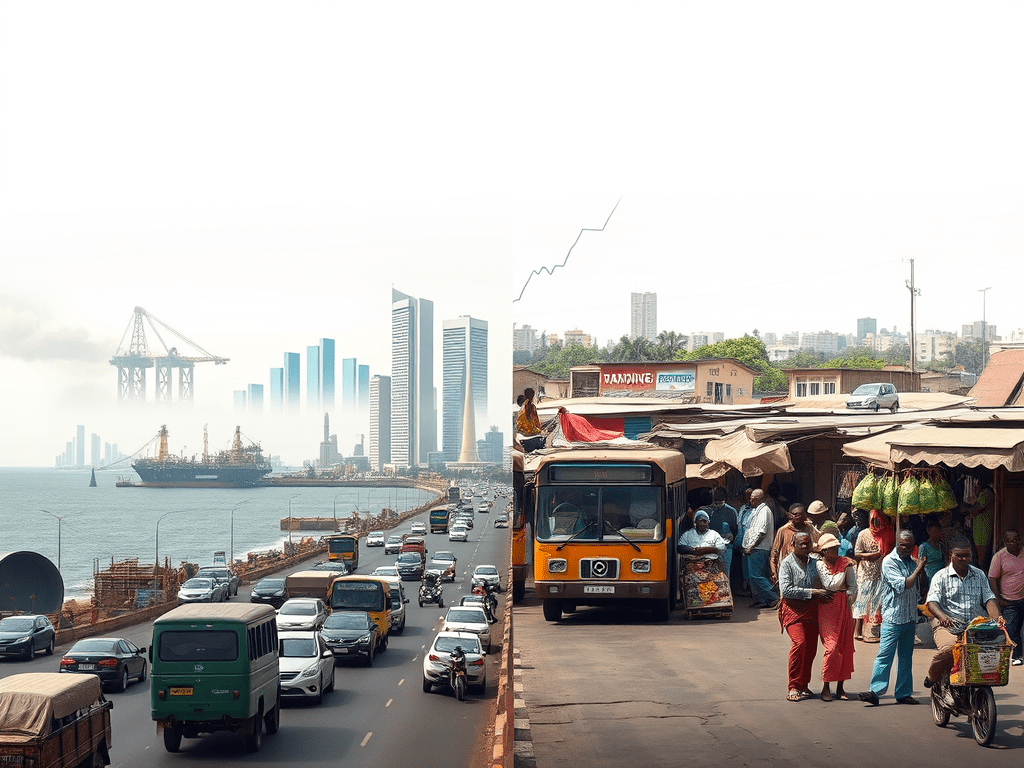
But beneath the surface, cracks began to show. A shopkeeper in Tirana earning modest daily sales paid the same rate as a property developer pulling in millions. The fairness debate soon caught up with the system. What looked clean on paper began to feel unbalanced in practice.
From Flat to Progressive
By 2013, the flat tax was abandoned. Albania switched back to progressive taxation, where higher incomes are taxed more. For the government, this was about plugging revenue gaps and addressing inequality. The International Monetary Fund had already warned that a 10% blanket tax wasn’t enough to meet Albania’s growing spending needs.
Businesses pushed back, warning that higher rates could scare away investment. But ordinary citizens often saw the return to progressive brackets as fairer. Imagine a teacher paying the same percentage as a wealthy landlord renting out apartments in euros—progressive taxation gave the government at least some room to balance the scales.
Even now, the debate isn’t settled. Albania’s opposition parties occasionally revive the idea of reintroducing the flat tax, promising simplicity and growth. It’s become a political slogan as much as an economic policy.
The Euro in Everyday Life
While the tax system shifted back and forth, another transformation happened almost silently: the rise of the euro in daily Albanian life. Despite not being in the eurozone, Albania is heavily euroized. Walk into a car dealership in Tirana, and the sticker price is likely in euros. Apartments for sale? Euros. Even loans and savings accounts are often denominated in euros, not the local lek.
There’s a clear reason for this. Hundreds of thousands of Albanians live abroad, especially in Italy and Greece, and send money back home. Remittances are a lifeline for many families and a stabilizing force in the economy. In 2022, remittances made up over 9% of Albania’s GDP—one of the highest ratios in Europe. When money flows in as euros, people naturally use and save in euros. Over time, this built a quiet dependence on a foreign currency.
The Central Bank’s Fight to Bring Back the Lek
The Bank of Albania has been waging a careful campaign to restore the dominance of the lek. This isn’t about nationalism but about control. When so much of the economy runs on euros, the central bank loses its ability to steer financial stability. Interest rate changes, for example, don’t bite as hard if people are borrowing in a foreign currency.
To tackle this, the government introduced measures to discourage euro loans. Reserve requirements for banks on euro deposits were adjusted, while consumer loans were pushed into lek. And the strategy has shown results: by 2024, more than 89% of new consumer credit was issued in lek, compared to much higher euro levels in the past.
Still, challenges remain. For major transactions—real estate, cars, or international trade—the euro continues to dominate. For Albanians who don’t trust the lek to hold value, euros feel safer.
When Tax Policy Meets Currency Dependence
Here’s where things get interesting: Albania’s tax choices and its euroization problem are deeply connected. A flat tax may attract investors, but it also risks reducing government revenues needed for social services. If the state can’t deliver stability and welfare, people may continue turning to the euro as their anchor of trust.
On the flip side, efforts to strengthen the lek need consistent public confidence. Imagine you’re an Albanian saver. If you’re not sure whether inflation will eat into your earnings, you’ll keep your money in euros no matter what tax rate the government sets.
It’s a chicken-and-egg problem. Without stronger fiscal capacity, the lek struggles. Without a trusted lek, fiscal reforms have less impact.
Examples of the Tension
Take the real estate market in Tirana. Developers almost always price apartments in euros, arguing that buyers—many of whom rely on remittances or foreign income—think in euros anyway. This makes it harder for the central bank’s de-euroization push to stick.
Or consider freelancers and small businesses. Many are paid by European clients directly in euros. Even if Albania reintroduced a flat tax to simplify compliance, the government still collects much of its revenue indirectly through a currency it doesn’t control.
Conclusion: A Balancing Act with Two Fronts
Albania sits at a crossroads. Its experiment with a flat tax once gave it a reputation for bold reforms, but it also exposed limits in fairness and revenue generation. Its economy’s reliance on the euro, while stabilizing in some ways, continues to limit the power of its own currency. Both stories—the tax system and euroization—are really about one thing: trust.
Do Albanians trust their government enough to believe a flat tax will be fair? Do they trust the lek enough to use it instead of the euro? The answers to those questions will shape the country’s economic future more than any headline tax rate or central bank rule.


 Financial Realtalks
Leave a comment