Understanding Afghanistan’s Shadow Economy
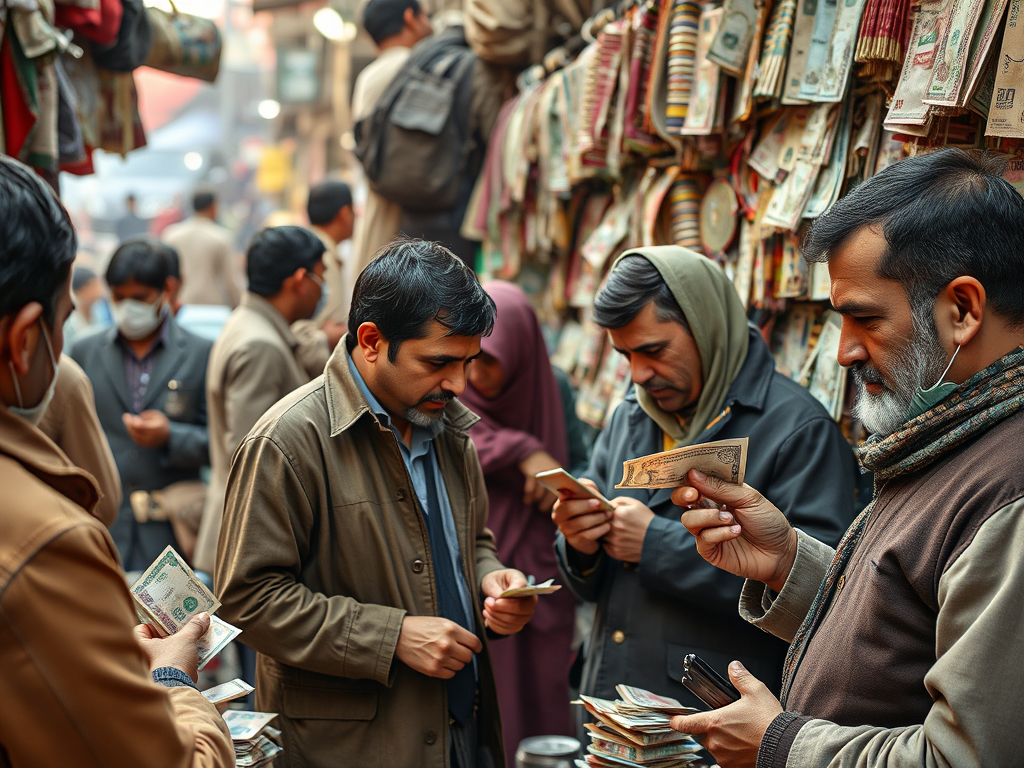
Walk into Kabul’s money market and you’re stepping into Afghanistan’s real central bank: a crowded strip of currency dealers, hawala brokers, and informal traders where dollars, rupees, euros and afghanis change hands by the armful. Official statistics capture one side of the story, but the economy that most Afghans live in is largely invisible to printed budgets and IMF tables. That invisible side—informal markets, cross-border trade and cash-driven networks—does the heavy lifting: moves goods, channels remittances, and keeps households fed when formal systems are blocked. This piece explains how that shadow economy works, why it matters for budgets and investors, and what it looks like when you compare Afghanistan to other fragile states.
The invisible engine: how big is the shadow economy?
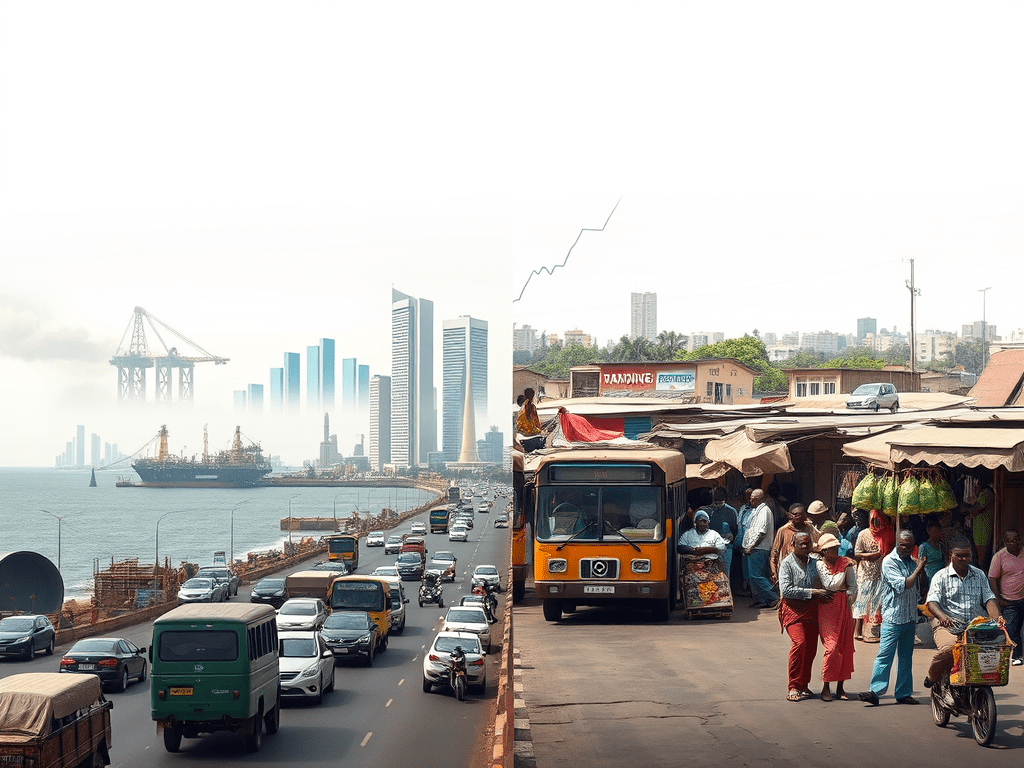
Official GDP numbers understate what happens in markets, workshops and fields. Recent estimates put Afghanistan’s informal economy at roughly three-quarters of GDP—an extraordinary share that reflects widespread small trading, unregistered work, smuggling and unrecorded agricultural activity. That means most economic life happens outside tax registers and formal payrolls, so the state’s budget and the international data often miss what’s actually moving people through a month.
Why formal banks can’t fill the gap
Two shocks after 2021—frozen offshore reserves and a wave of de-risking by foreign correspondent banks—cut Afghanistan off from routine international banking. Da Afghanistan Bank’s overseas reserves were large before 2021, but much of that stock was immobilized after the collapse of the previous government; the headline figures most often cited are in the billions (about $7–9.5 billion in various official counts), with roughly $3.5 billion later placed in a Geneva-based “Fund for the Afghan People.” With limited correspondent relationships and constrained access to U.S. dollar settlement, formal channels for trade payments and remittances shrank sharply—pushing firms and households into informal alternatives.
Hawala: the financial plumbing that never went away
When formal rails disappear, trust-based systems step in. Hawala (or hundi) is not a single firm but a network of money brokers who settle accounts across borders using ledgers, trust and offsetting flows. In Afghanistan, hawaladars and licensed money-exchange dealers handle everyday remittances, merchant settlements and even some NGO and aid transfers; their footprint expanded after 2021 and remains central to households and businesses that cannot reach international banks. Unlike formal banks, hawala works on reputation, quick settlement and physical cash movements—exactly the features people need when formal finance is blocked.
Opium and the sharp edge of the informal economy
For decades Afghanistan produced the bulk of the world’s opium, and that trade fed whole rural supply chains—farm wages, transport, processing and unrecorded exports. The opiate economy used to be a very large share of national income in earlier decades; after the Taliban’s 2022 ban on poppy cultivation production plunged, costing farmers more than a billion dollars in lost income and creating a major shock to livelihoods. Still, recent UNODC monitoring shows cultivation can shift regionally and rebound where enforcement or alternatives are weak, so the illicit agricultural economy remains a powerful—if volatile—component of the shadow system.
Smuggling and cross-border trade: the economy that ignores lines on maps
Afghanistan’s geographic position—with long, porous borders into Pakistan, Iran, Central Asia and China—makes cross-border informal commerce huge. Goods that don’t clear customs—coal, cheap consumer goods, informal food exports—flow through bazaars and unregulated checkpoints. Where tariffs, border closures or bureaucracy raise the cost of doing business formally, traders opt for quicker, cash-based routes. The World Bank’s monitors show that shifts in Pakistan’s trade policy and frequent closures often reroute Afghan trade and lift informal channels.
Currency, auctions and the money changers who set prices
With limited access to foreign reserves, Afghanistan’s unofficial foreign-exchange market became the place where prices are discovered. Money-exchangers do more than swap notes: they offer short-term credit, run informal savings pools, and sometimes underwrite trade. The central bank has conducted dollar auctions at times to inject liquidity, but day-to-day price formation lives in the bazaars where afghani/dollar rates and payment terms are negotiated in cash. That informal FX market helps stabilize trade flows but also makes macro-policy blunt.
How Afghanistan compares: three quick parallels
Somalia — remittances as lifeline. Like Afghanistan, Somalia relies on diaspora flows routed largely through hawala-like operators; remittances are a large share of GDP and underpin household spending and small enterprise.
Lebanon — parallel markets after a banking collapse. When banks stopped functioning under the 2019–22 crisis, Lebanon’s population turned to parallel FX markets and cash; the formal balance sheet diverged sharply from what people lived through daily. That gap between official figures and lived reality echoes Afghanistan’s current informal/formal split.
Venezuela — dollarization and informal pricing. When confidence in the bolívar collapsed, transactions shifted to dollars and parallel markets. That dollar-driven informal economy is similar in mechanics to parts of Afghanistan, even though the political and economic context differs.
What this means for budgets, investors and aid planners
For the Afghan state (or any external actor trying to help), the big problem is visibility. Taxes are collected on a sliver of activity; social safety nets miss informal workers; macro indicators under-record real incomes and prices. For investors, informal networks are both a risk and an asset: they allow business to continue in the absence of formal guarantees, but they also hide counterparty risk, regulatory exposure and opaque credit chains. For humanitarian actors, any program that ignores hawala, money-exchangers and local trade routes will under-deliver. The policy challenge is to engage with these systems carefully—supporting safe remittance channels, creating pathways for informal firms to formalize, and designing alternatives for farmers reliant on illicit crops.
Conclusion — the economy you don’t see, but feel every day
Afghanistan’s shadow economy is not a sideshow; it is the main act for most people. Informal trade, hawala remittances, smuggling and cash markets knit together survival, supply and trade when formal institutions are cut off. That makes public budgets thinner, official statistics incomplete, and conventional policy tools less effective. If you want to understand Afghanistan’s economy, start where the money actually moves: the money-changer’s stall, the cross-border convoy and the family that depends on a remittance each month.

 Financial Realtalks
Leave a comment