Introduction
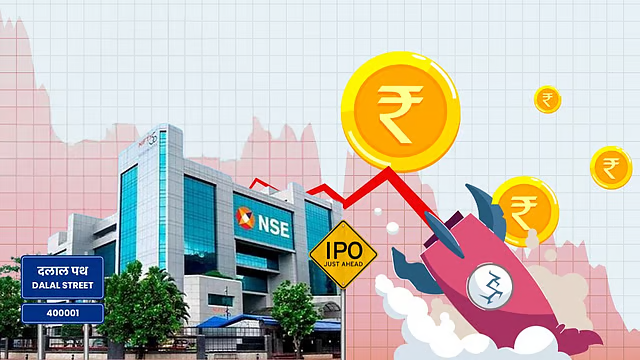
For years, going public was a founder’s ultimate dream. IPOs were more than just a capital-raising event—they were a symbol of success. A grand ceremony, news headlines, a billion-dollar valuation, and the status of a “listed” company. From Wall Street to Dalal Street, ringing that bell meant you’d made it.
But that’s changing. In India and globally, high-growth startups are increasingly choosing to stay private—and thriving. The IPO, once seen as a startup’s natural next step, is now being delayed, avoided, or even dismissed entirely. The real action is happening behind closed doors.
So what’s making founders rethink the spotlight? Why are unicorns, decacorns, and even profitable companies saying no to the stock exchange?
Going Public Isn’t What It Used to Be
Yes, IPOs bring capital, credibility, and liquidity—but they also bring quarterly earnings pressure, regulatory scrutiny, and constant media coverage. The excitement of being listed often fades when founders find themselves navigating boardroom politics and defending every decision in public.
Look at Zomato, one of India’s most followed IPOs. The debut was historic. What followed was a wild ride of volatile stock prices. There was public criticism over acquisitions (like Blinkit). Tough questions on profitability arose. Zomato went from tech darling to a case study in public market pressure—almost overnight.
On the other hand, Flipkart, India’s original startup success story, hasn’t gone public at all. After being acquired by Walmart, it continues to grow under private ownership. Its leadership can focus on strategy and operations without the distraction of market sentiment.
Private Capital Has Gone Global—and Local
Indian startups today have access to a flood of private money—not just from Silicon Valley, but from domestic investors too. Funds like Sequoia India (now Peak XV), Nexus Venture Partners, and Elevation Capital are writing massive cheques. Family offices contribute significantly. Sovereign funds like ADIA also provide investment. Startup-focused arms of conglomerates, such as Reliance and Tata, offer additional support. There’s no shortage of fuel for growth.
Byju’s may be facing turbulence today, but its rise was funded almost entirely through private capital. It raised over $6 billion from names like General Atlantic, Qatar Investment Authority, and Prosus. It scaled rapidly across India and beyond—all without an IPO.
Even newer players like Zepto and PhysicsWallah have turned unicorns through private rounds, with investors eager to back strong founders at scale. IPO? Maybe. But not urgently.
Secondary Markets Solve the Liquidity Problem
One reason startups used to rush toward an IPO was liquidity. Employees and early investors wanted exits. But platforms like Trica, LetsVenture, and Tyke in India (along with global players like Carta and Forge) are changing that. These platforms let private shares be traded—legally, securely, and with increasing volume.
Take OYO, for instance. Despite delaying its IPO, it has conducted multiple secondary rounds, giving early investors a chance to exit. In many cases, this is enough to keep everyone happy without rushing into the scrutiny of the public market.
This access to liquidity is a game-changer. Startups can now reward early believers without compromising control or strategy.
India’s Public Markets Still Prefer Profits Over Promise
There’s also a cultural shift at play. While global markets have warmed to high-growth loss-making tech firms, Indian investors—especially retail ones—still prefer companies with clear cash flows and profitability. It’s why tech IPOs in India often face extreme swings: first the hype, then the skepticism.
Paytm’s IPO is a clear example. It was India’s largest ever tech listing. But post-listing, the stock tumbled over 70%, and the focus shifted from growth potential to business viability. The company had to quickly rework its strategy, cut burn, and communicate a clear path to profitability—things it could have done in private.
Compare this to Udaan, India’s largest B2B commerce startup. It continues to scale behind the scenes, conducting internal rights issues, secondary transactions, and staying out of the public spotlight. No daily ticker. No analyst calls. Just execution.
Control and Culture: Two Things Founders Don’t Want to Give Up
IPO listings often mean dilution, outside control, and the risk of losing the original mission. Indian founders, especially first-generation entrepreneurs, are increasingly mindful of this. Many have seen what happens when decisions shift from the boardroom to public sentiment.
Razorpay, for example, is one of India’s most valuable fintechs, already profitable, and a strong IPO candidate. But it’s in no rush. Its co-founders have emphasized their preference for long-term vision over short-term optics. Staying private allows them to keep control and pace themselves strategically.
This mindset is gaining ground—IPO is not the goal, it’s an option. And one that can be deferred until the company is ready, not when the market demands it.
Private Is No Longer a Pit Stop—It’s the Strategy
Earlier, staying private was viewed as “not ready yet.” But now, it’s a deliberate move. Startups are using private capital to scale, iterate, acquire, and even expand internationally—without losing sleep over market cap.
The truth is, many of India’s most innovative companies might never go public in the traditional sense. They may take the Tata Digital or Reliance Jio route—raising large sums, making strategic moves, and changing industries—all while being privately held under large groups.
The IPO Isn’t Dead—But It’s No Longer the Only Dream
From Bengaluru to San Francisco, startups are rethinking the value of going public. Startups now have access to deep capital and new-age secondary markets. They have more control over their growth path. Many are asking a simple question: Why rush to the public market if you don’t have to?
The IPO dream isn’t dead. But for today’s founders, especially in India’s evolving ecosystem, it’s just one of many routes. The real badge of honour now might not be a ringing bell—but building a sustainable business on your own terms.
So here’s the real question:
If a company can raise billions, expand across borders, and reward employees, why go public at all? Can it keep its soul intact?



 Financial Realtalks
Leave a comment