
South Korea at a Crossroads
South Korea, once celebrated for its economic miracle and high-tech prowess, now finds itself navigating a perfect storm of economic stagnation, political instability, and an unprecedented demographic collapse. With the country’s economy barely growing and its birth rate hitting rock bottom, the challenges ahead are deeply structural—and time-sensitive.
Stalling Economy: The Growth Engine Loses Steam
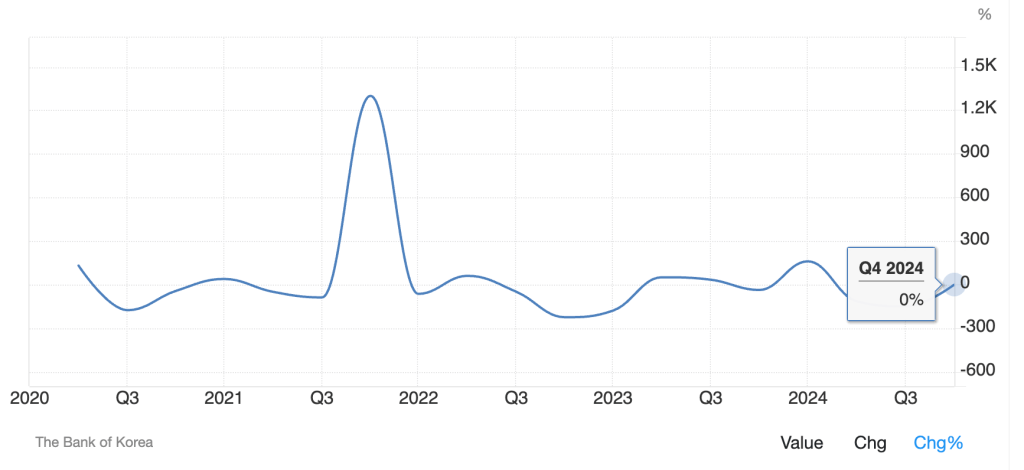
In Q1 of 2025, South Korea’s GDP grew by just 0.1%, mirroring the sluggish performance of the last two quarters of 2024. This marks a worrying slowdown for Asia’s fourth-largest economy, especially for a nation that once prided itself on rapid industrialization and tech-led export growth.
What’s Causing the Stall?
Several key factors are dragging down momentum:
- Global Trade Headwinds: The U.S., under President Donald Trump, has reintroduced tariffs on South Korean auto exports, rattling Seoul’s crucial manufacturing sector.
- Weak Domestic Demand: Consumer confidence is low, and household debt remains high.
- Political Uncertainty: The recent impeachment of the president has disrupted policymaking and eroded investor sentiment.
A Fiscal Shot in the Arm
To combat the downturn, the South Korean government has proposed a supplementary budget worth 12.2 trillion won (≈ $8.6 billion). It’s intended to stimulate growth, respond to trade shocks, and support disaster recovery following severe wildfires.
Funds will be allocated to:
- Artificial Intelligence and tech innovation
- Financial support for SMEs
- Employment initiatives
- Emergency response systems
However, the Democratic Party, which holds a majority in the National Assembly, is pushing for a more expansive package. The budget’s final shape—and its effectiveness—remains to be seen.
The fiscal deficit is expected to widen to 3.2% of GDP, with the debt-to-GDP ratio climbing to 48.4%. Economists worry that without structural reforms, stimulus packages may offer only temporary relief.
Birth Rate Collapse: South Korea’s Most Pressing Crisis?
While the economy stumbles, a more existential threat looms: South Korea’s fertility rate has plummeted to 0.72, the lowest in the world. That means on average, a South Korean woman is expected to have fewer than one child—far below the replacement level of 2.1.
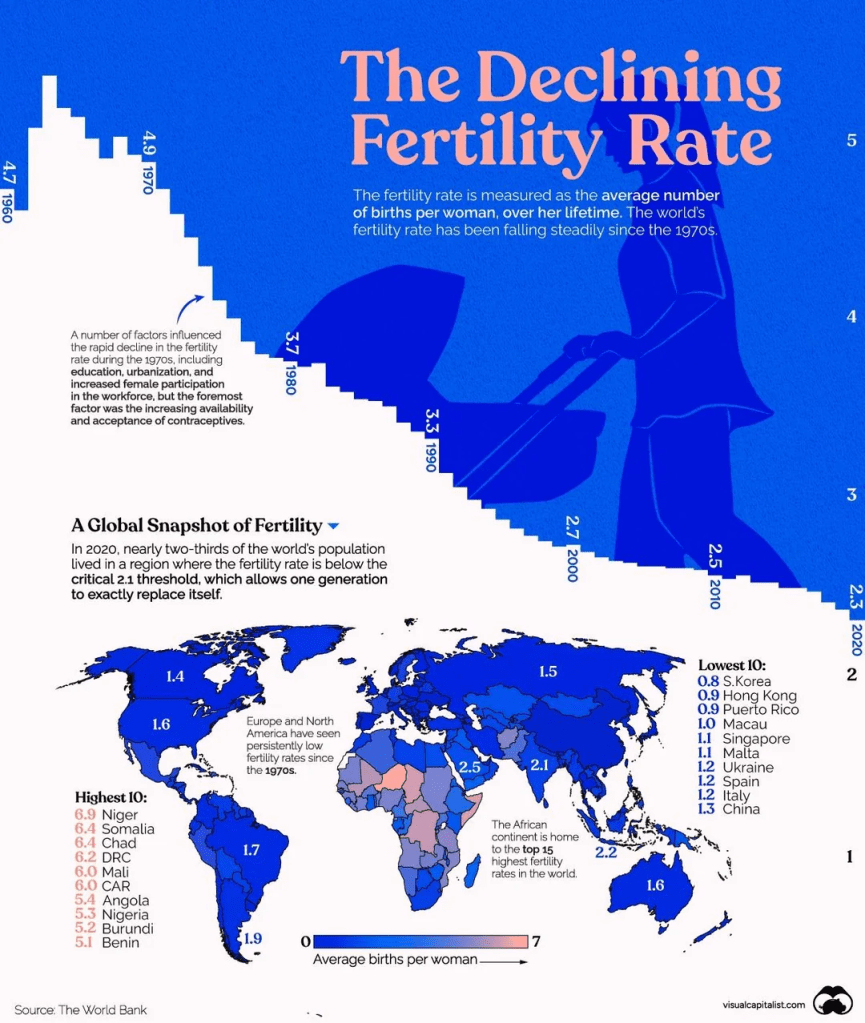
At current rates, South Korea’s population could shrink by nearly half by 2100. Even more alarming, GDP is projected to decline by 28% by 2050 due to a shrinking labor force, according to the Bank of Korea.
Throwing Money at the Problem
Since 2006, South Korea has spent over $270 billion on fertility-boosting policies, from childcare subsidies to parental leave reforms. But the returns have been minimal.
Now, even the private sector is stepping in. Booyoung, a major construction company, recently offered employees $75,000 per child in a bid to encourage births. While such bold moves make headlines, their scalability—and effectiveness—are debatable.
Why Aren’t South Koreans Having Kids?
Experts point to a mix of cultural and economic reasons:
- Brutally competitive education system
- High housing costs in urban centers like Seoul
- Long working hours and rigid corporate culture
- Limited support for working mothers
- Widening gender inequality and resentment among young women
Many South Koreans, especially millennials and Gen Z, feel that marriage and parenting are incompatible with personal freedom and career ambitions. It’s a sentiment that money alone may not change.
Military Preparedness: A Shrinking Pool of Soldiers
The demographic crisis isn’t just an economic concern—it’s a national security issue.
South Korea maintains compulsory military service to deter threats from the North. But with fewer young men eligible, maintaining troop levels is becoming increasingly difficult. Military leaders are now exploring:
- Increased female recruitment
- Higher pay and better benefits
- More automation and AI-powered defense systems
But technology alone can’t replace boots on the ground, and a shrinking military could embolden adversaries.
Political Crossroads: Elections as a Tipping Point
On June 3, 2025, South Koreans will head to the polls in a pivotal presidential election. Voters will weigh in on how the country should tackle its twin crises.
The race is shaping up as a referendum on:
- The effectiveness of economic stimulus
- National family planning policies
- Trust in political institutions post-impeachment
Whoever wins will inherit not just a divided nation—but one running out of time.
The Road Ahead: A Call for Bold Reforms
South Korea’s challenges are not unique—but their intensity is. Japan and parts of Europe face similar demographic declines, yet South Korea’s pace is sharper and its cultural rigidity more entrenched.
Financial incentives might buy time, but experts stress the need for:
- Workplace reforms to support women and families
- Affordable housing and urban planning
- Overhauls in education to reduce competitiveness and costs
- Inclusive immigration policies to supplement the workforce
South Korea’s future hinges on its ability to adapt quickly and courageously. Without meaningful change, the “Miracle on the Han River” could slowly fade into a cautionary tale of economic and demographic decline.




 Financial Realtalks
Leave a comment