After years of doubling down on tariffs and promoting a hardline “America First” trade agenda, President Donald Trump has made a surprising move—he’s easing up. But is this a shift in ideology, or is there something deeper at play?
The Unexpected Reversal
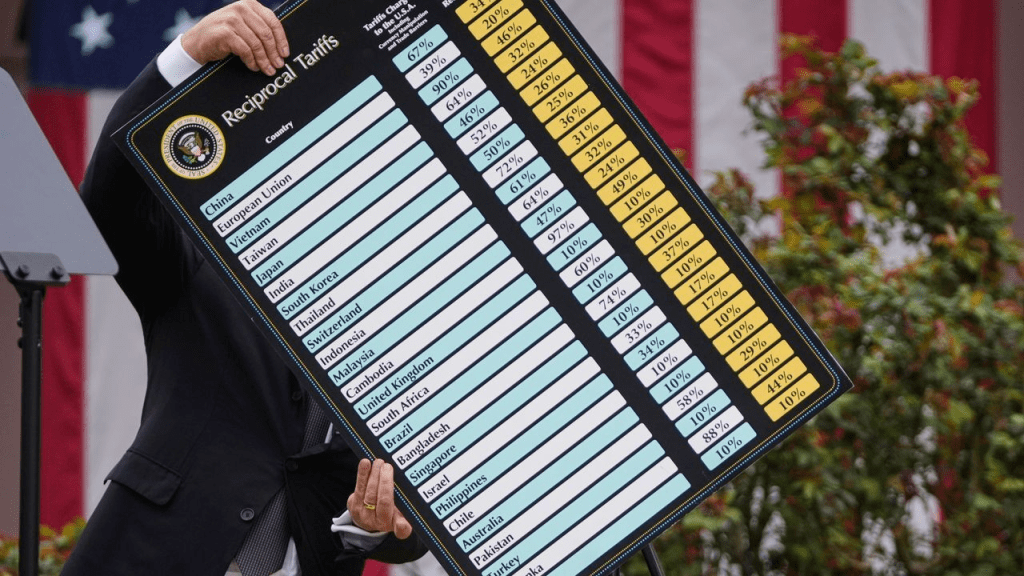
Source: Sky News
It wasn’t too long ago that Trump was championing tariffs as his primary weapon in the global trade war. They were his go-to tool to pressure China, push back on European automakers, and protect American manufacturers. These tariffs were central to his narrative: that America had been getting a bad deal for decades, and it was time to fight back.
But now, in a move that few saw coming, Trump has started peeling back some of those very tariffs. Economists, allies, and even political rivals are asking: what changed? Is this a sudden sign of weakness—or a calculated pivot?
The truth may lie somewhere in between.
Economic Pressure is Building
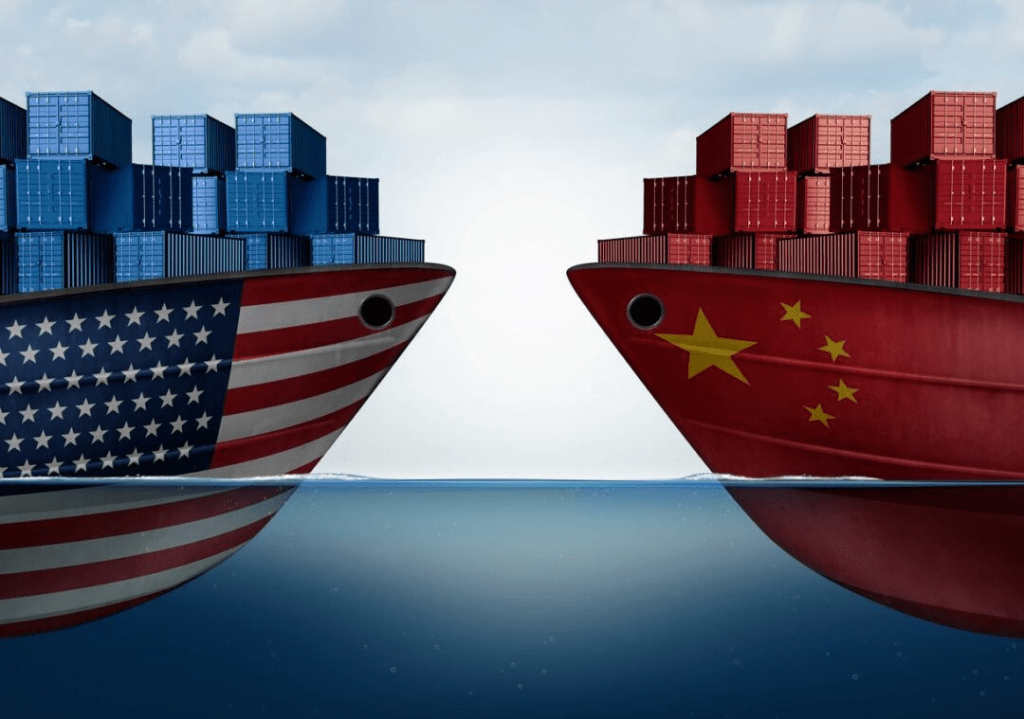
For all of Trump’s bluster about how tariffs would boost the American economy, the numbers haven’t always backed him up. Over time, tariffs have become an invisible tax on American consumers and businesses. From higher prices on everyday products to disruptions in manufacturing supply chains, the pinch has been felt across the board.
Inflation has become a key political concern, and it’s no longer just an economist’s talking point—it’s something voters feel every time they go to the grocery store or fill their gas tanks. By lifting some tariffs, Trump is attempting to cool down price pressures and remove some of the heat from an economy that’s starting to show signs of fatigue. In essence, it’s a pressure release valve. And politically, it’s smart. If Americans feel a bit of relief, that’s a win he can take credit for.
The Business World Has Been Pushing Back
Behind closed doors, some of Trump’s most influential supporters—the titans of industry and big business—have been increasingly vocal about their dissatisfaction. American companies, especially in manufacturing, retail, and agriculture, have been quietly urging the administration to reconsider the tariff strategy.
The tariffs have made it harder for them to stay competitive in global markets. Higher input costs and retaliatory tariffs from other countries have hurt exports, leading to layoffs, reduced investment, and stalled growth. With an election season ramping up, Trump knows that support from corporate America matters—not just in terms of campaign donations, but in job creation, media messaging, and economic performance.
By scaling back tariffs, Trump may be trying to reassure these key allies: “I hear you. And I’m adjusting.”
A Strategic Play on the World Stage
There’s also a geopolitical dimension to this move. In recent years, Trump has taken a “my way or the highway” approach with allies and rivals alike. But in today’s increasingly unstable world—rising tensions in Asia, the war in Ukraine, and competition over semiconductor and energy resources—being flexible matters.
Removing tariffs, especially on countries the U.S. relies on for crucial imports, can be seen as a goodwill gesture. It opens the door to cooperation on other fronts like security alliances, tech partnerships, and climate negotiations. Trump may not have abandoned his nationalist instincts, but he’s showing that he understands the chessboard. He doesn’t want America boxed in when flexibility could mean influence.
Voters Are Paying Attention to Their Wallets

Source: The Week
Make no mistake—this is also a domestic play. Trump is acutely aware that voters will judge him less by ideology and more by their economic reality. Pocketbook politics win elections. And with wages stagnating and prices climbing, the old trade war slogans aren’t cutting it anymore.
By backing off some tariffs, Trump is shifting his message: “I’m not just a fighter—I’m a fixer.” He’s giving himself room to say, “I took a tough stance when it was needed, and now I’m lifting the burden when it’s time.” That’s a powerful campaign narrative, especially in swing states with large working-class populations who’ve borne the brunt of trade wars.
He’s also hoping that the removal of tariffs can revive manufacturing momentum and reinvigorate small business optimism—two pillars he needs to win again.
An Eye on 2025 and Beyond
Trump’s decision to backtrack on tariffs isn’t just about today—it’s about setting the stage for tomorrow. If re-elected, he doesn’t want to spend his first year untangling the complications of his previous policies. Instead, he wants a cleaner slate, a friendlier business climate, and a global image that balances strength with pragmatism.
This isn’t the end of “America First.” It’s the recalibration of it. The tariffs served their political purpose—they sent a message, forced renegotiations, and rallied the base. But Trump knows he can’t keep fighting the same battle without risking economic blowback. So now, he’s choosing a new tactic: strategic retreat.
But is it retreat—or a smarter kind of advance?
Conclusion: Is Trump Getting Smarter with Age, or Just More Desperate?
President Trump’s decision to roll back tariffs isn’t just an economic shift—it’s a narrative shift. He’s betting that Americans want results over rhetoric, and relief over revenge. In softening his stance, he may appear to be buckling under pressure—but he might actually be tightening his grip on the bigger picture.
Whether this is a moment of maturity, a political calculation, or a quiet admission that the tariff war didn’t quite work as planned, one thing is certain: the Trump of today is playing a longer game.
So, what’s your take? Has Trump finally found the balance between toughness and strategy—or is this just a move to win votes before going back to the old playbook?




 Financial Realtalks
Leave a comment