How Subscription Services Are Changing Consumer Behavior
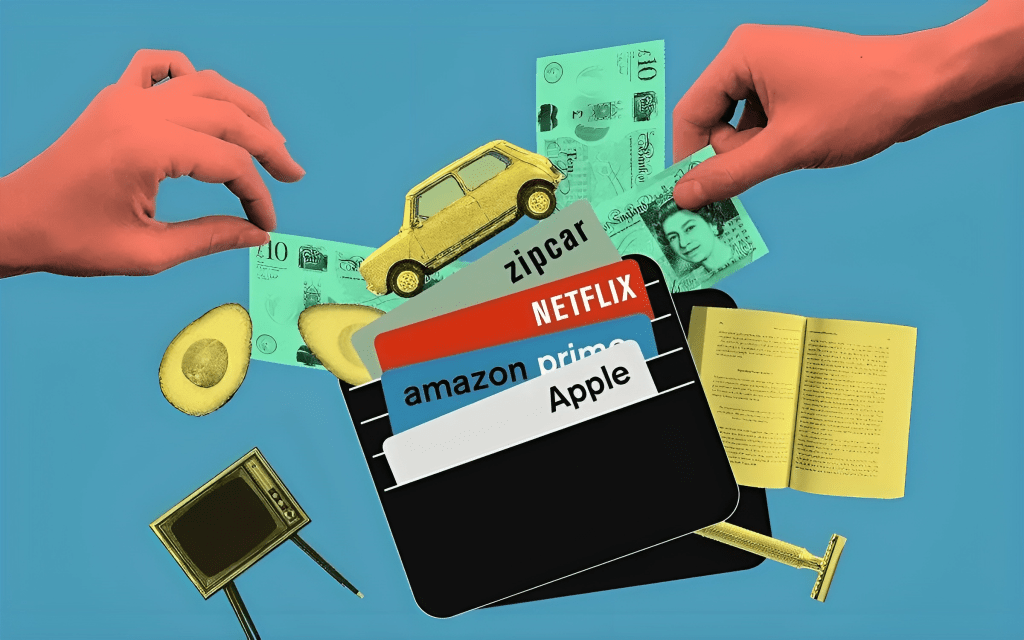
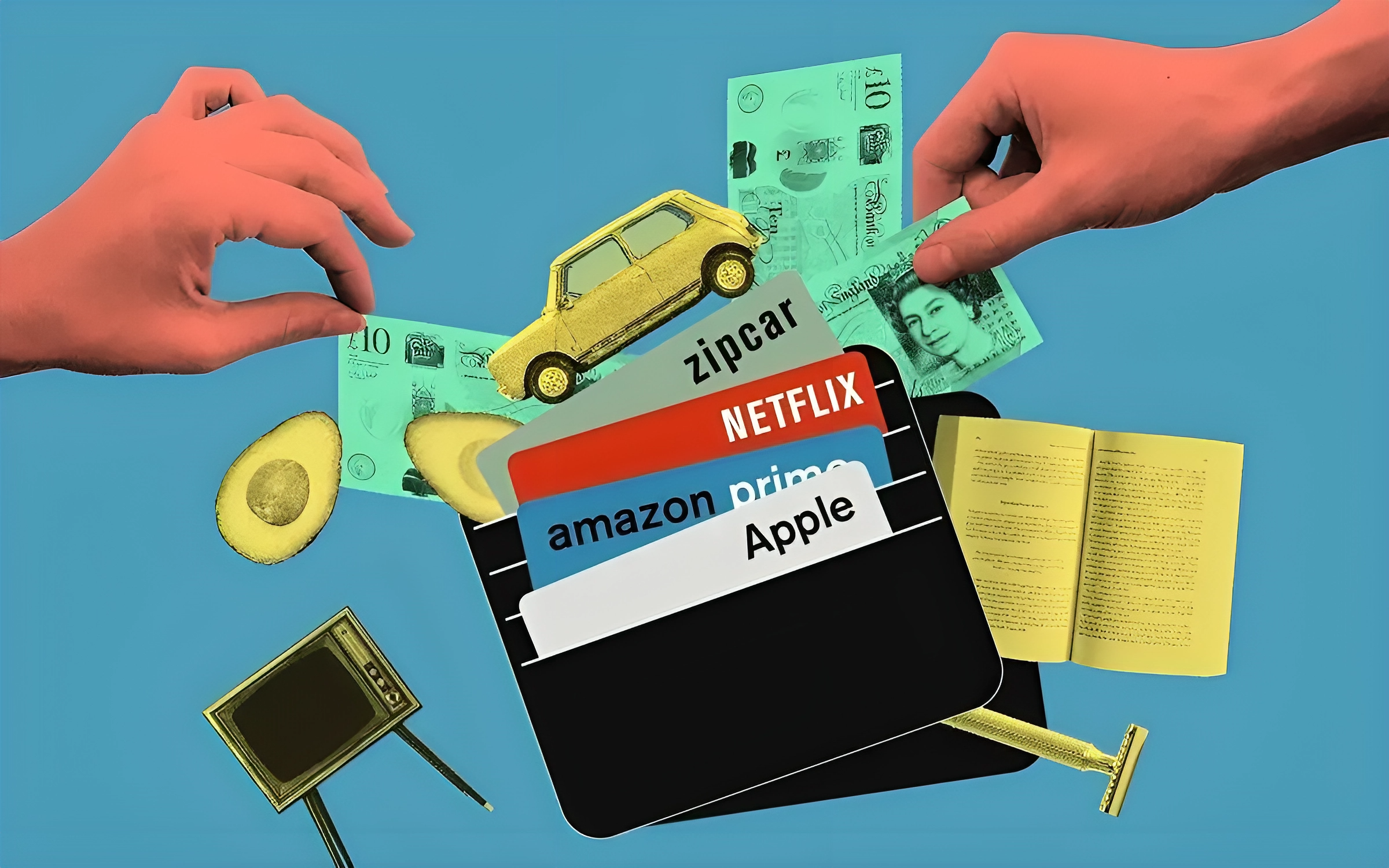
Imagine a world where you no longer buy products outright. Instead, you pay a monthly fee to access everything from music and movies to groceries and cars. Sounds familiar? Welcome to the subscription economy—a business model reshaping how we consume goods and services.
What Is the Subscription Economy?
The subscription economy refers to a shift from traditional one-time purchases to recurring payments for access to products and services. Driven by technological advancements and changing consumer preferences, this model has grown rapidly across industries like entertainment, retail, software, and even healthcare.
Netflix, Spotify, and Amazon Prime are household names that pioneered this trend. But today, it extends to unexpected areas—think meal kits like HelloFresh, fitness apps like Peloton, and car subscription services like Zoomcar in India.
Why Is the Subscription Economy Booming?
Several factors contribute to the rapid growth of this model:
- Convenience: Subscriptions offer hassle-free access without the need for ownership, simplifying consumers’ lives.
- Cost-Effectiveness: Monthly payments are often more affordable than large one-time purchases.
- Personalization: Many subscription services leverage data analytics to offer tailored experiences, enhancing customer satisfaction.
- Sustainability: Sharing and reusing products aligns with eco-conscious lifestyles, reducing waste.
How Businesses Benefit
For companies, the subscription model offers predictable revenue streams and stronger customer relationships. By focusing on long-term engagement rather than one-off sales, businesses can improve customer retention and lifetime value. SaaS (Software as a Service) companies like Microsoft 365 and Adobe Creative Cloud exemplify this shift, moving from software licenses to recurring subscriptions.
Challenges and Considerations
Despite its advantages, the subscription economy isn’t without challenges:
- Subscription Fatigue: With so many services competing for monthly budgets, consumers may feel overwhelmed.
- Churn Rates: Businesses must continuously deliver value to prevent cancellations.
- Data Privacy: Collecting user data to personalize experiences raises privacy and security concerns.
The Future of the Subscription Economy
As technology advances, we can expect even more industries to adopt subscription models. For example, healthcare services might offer monthly wellness plans, while smart home devices could operate on subscription-based maintenance packages.
In India, the subscription economy is gaining traction, driven by digital transformation and evolving consumer behavior. Platforms like Tata Neu, JioSaavn, and BigBasket are leading the charge, offering convenience and value in everyday life.
The subscription economy is more than a trend—it’s a fundamental shift in how businesses operate and how consumers access goods and services. By prioritizing access over ownership, this model offers greater flexibility, affordability, and personalization. However, businesses must balance convenience with transparency and value to sustain long-term success. As the subscription economy continues to evolve, it’s clear that the future of consumption lies not in what we own, but in what we can experience.




 Financial Realtalks
Leave a comment